We’ve already covered what picanha is and how to cook it, but a question keeps coming up that deserves its own answer: where exactly does this cut sit on the animal, and why does American butchery treat that same area so differently from the way Brazilian butchers do? The answer comes down to anatomy and tradition, and understanding both explains a lot about why picanha is still hard to find labeled by name at a lot of American butcher counters.
The Rump Primal, Explained
Picanha comes from the rump primal, the area where the top sirloin, bottom sirloin, and round all come together at the back of the animal. This region does a lot of work supporting the cow’s weight and movement, which generally means tougher meat. Picanha sits right at the cap of this area, a smaller, more superficial section that behaves differently from the deeper, harder working muscles around it.
The Muscle Itself: Biceps Femoris
Specifically, picanha is part of the biceps femoris, a large muscle that wraps around the top of the round and rump. Despite sharing a muscle group with tougher cuts nearby, the cap portion used for picanha is more tender, largely because it sits closer to the surface and does comparatively less structural work than the deeper sections of the same muscle. This is part of why picanha eats more like a well marbled steak than like a tough roast, even though it technically comes from a hardworking area of the animal.
Why American Butchery Split It Differently
Traditional American butchery divides the rump and round into large primal roasts, top round, bottom round, and eye round among them, without isolating the smaller cap muscle on its own. Brazilian churrasco tradition does the opposite. It specifically separates out just the cap, keeps its fat layer intact, and treats it as its own distinct steak. That difference in butchery philosophy, whole primal roasts versus isolated individual muscles, is the entire reason picanha spent so long being nearly invisible on American butcher counters despite being a genuinely good cut.
What It’s Called Around the World
Names for this cut vary by country, which adds to the confusion. In Brazil, it’s picanha. In the United States, it’s most often labeled sirloin cap or culotte steak when you can find it at all. In France, you’ll sometimes see it referred to as culotte or coeur de rumsteck. In South Africa, it’s simply called rump cap. It’s worth noting that a nearby cut, maminha, sometimes gets confused with picanha since both come from adjacent areas of the rump, but they’re distinct muscles with different textures.
Why the Fat Cap Stays On
Everywhere else on the rump, that exterior fat typically gets trimmed away before the meat is sold, since most rump cuts are prepared as roasts where trimmed fat isn’t necessary. Picanha keeps it deliberately, because the entire cooking tradition around this cut is built around rendering that fat over live fire, basting the meat from the outside as it cooks. Trim the fat cap off picanha and you’ve essentially turned it into a different, less interesting cut.
Why This Matters for Flavor, Not Just Anatomy
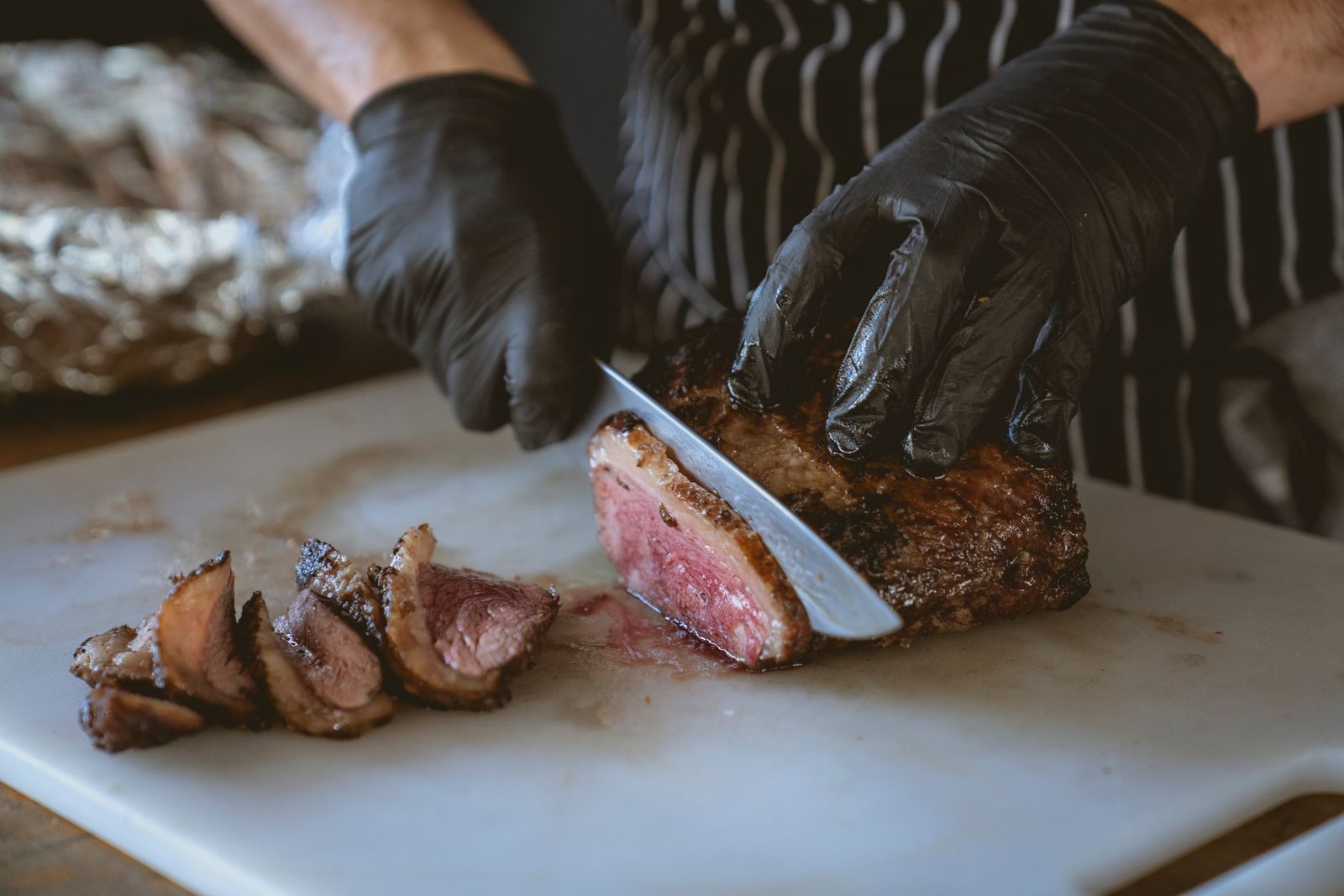
Understanding where a cut sits on the animal isn’t just trivia. It explains why picanha tastes and behaves the way it does compared to cuts that seem similar at a glance. A rump roast from deeper in the same general region will be tougher and need long, slow cooking to break down. Picanha, sitting closer to the surface and doing comparatively less work, can be cooked hot and fast like a steak instead. Two cuts from the same general part of the cow, treated completely differently, simply because of a few inches of difference in exactly where they sit and how much work that specific muscle does.
How This Anatomy Affects How You Should Cook It
The looser grain and the way the fat cap sits on just one side both come directly from where this cut sits on the animal, and both should shape how you handle it in the kitchen. Slice thin and against the grain, and cook the fat side long enough to render before the lean side gets most of the direct heat. For the full walkthrough on searing, grilling, and slicing picanha, check out our complete guide to cooking it.
Common Questions
Is picanha the same muscle as tri-tip?
No. Tri-tip comes from the bottom sirloin, a different section of the animal than the rump cap. They’re both cuts that took a long time to gain recognition in American butchery, and both are triangular in shape, but they come from different muscles entirely.
Why don’t most American grocery stores carry picanha?
It mostly comes down to how American butchery has traditionally broken down the rump and round into large primal roasts rather than isolating smaller individual muscles. As picanha has grown in popularity, more specialty butchers have started carrying it labeled as sirloin cap or culotte, but it’s still uncommon at a standard grocery store meat counter.
Is there an official picanha cut on a USDA cut chart?
Not by that name. USDA charts typically reference this general area as part of the sirloin or round primal without isolating the cap the way Brazilian butchery does. Sirloin cap or culotte steak is the closest official American label for the same cut.
Curious how the anatomy translates to flavor? Reserve a table at Steak 38 and ask your server about our ribeye and dry aged NY sirloin, both known for that same big, beefy character.