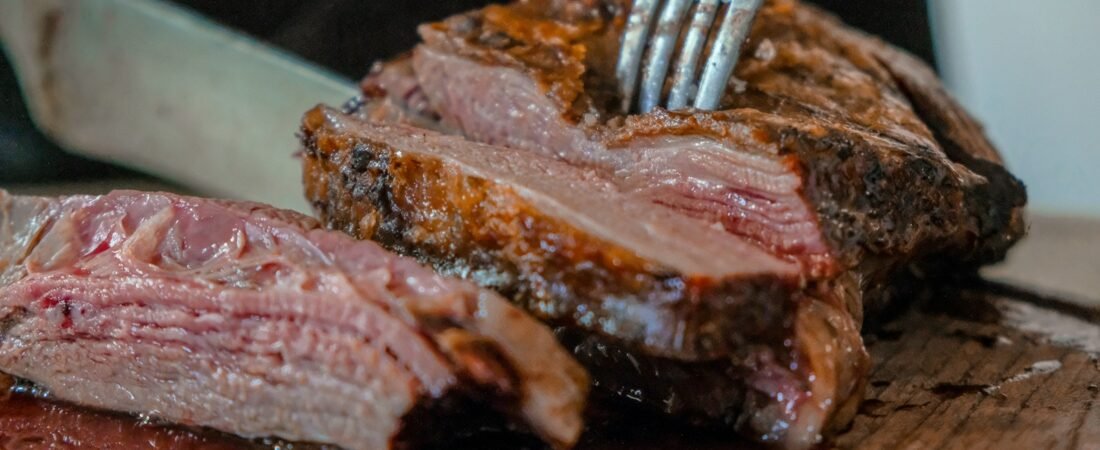
Yes. A lot of people assume brisket has to come off a smoker to turn out right, but that’s not actually true. What makes brisket tender isn’t smoke, it’s time and temperature. A low, slow oven cook breaks down the same tough connective tissue a smoker does. You’ll lose a couple of things along the way, and we’ll get into exactly what those are, but “tender, juicy brisket” is absolutely achievable with nothing more than your oven.
The Short Answer
Brisket is a tough cut loaded with collagen, the connective tissue that makes it chewy if you cook it fast or hot like a steak. Cooked low and slow, that same collagen melts into gelatin, which is what gives properly cooked brisket its fall-apart texture. That transformation happens because of sustained low heat over many hours, not because of smoke. A smoker adds a specific flavor. It isn’t the thing doing the tenderizing.
What You Lose, and What You Don’t Lose
Be honest with yourself about the tradeoff going in. You will not get a true smoke ring, that pink band just under the surface that forms from a chemical reaction with wood smoke. You also won’t get quite the same deep, smoky bark that hours over hardwood coals builds. What you don’t lose is tenderness, juiciness, or that fall-apart texture, all of which come from time and internal temperature, both of which an oven controls just as well as a smoker does, arguably better since there’s no wind or fuel level to manage.
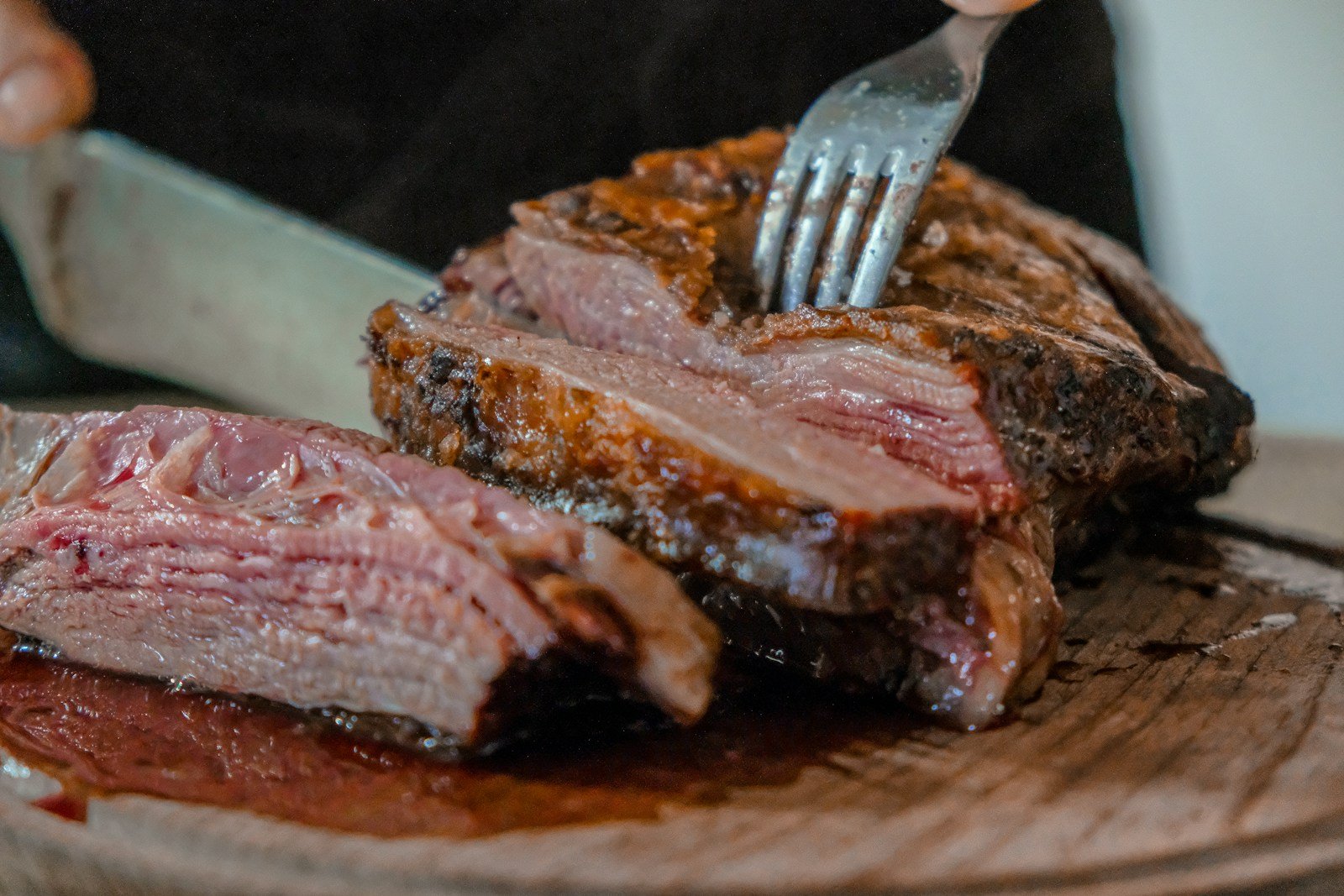
Common Doubts About Oven Brisket, Answered
Won’t it dry out without a smoker?
Not if you cook it correctly. Brisket dries out from being cooked too hot, too fast, or pulled before the collagen has fully broken down, not from the absence of smoke. Keep the oven low, around 275 degrees, cook to internal temperature rather than a set time, and rest it properly at the end. Dryness is almost always a technique issue, not an equipment issue.
Do I need a water pan in the oven like I would in a smoker?
No. Water pans in smokers help stabilize temperature and manage airflow issues that ovens don’t have. An oven already holds a steady, even temperature on its own, so a water pan isn’t doing anything useful there.
Is 225 or 275 degrees better for oven brisket?
275 is the better choice for most home cooks. It gets you through the stall faster and shortens total cook time without sacrificing tenderness, since you’re still well within low and slow territory. 225 will work too, it just adds several more hours to an already long cook.
The Method That Works
Trim the fat cap to about a quarter inch, season heavily with salt and coarse black pepper, and let it sit uncovered in the fridge overnight if you can. Preheat the oven to 275 degrees and roast the brisket fat side up on a rack. Cook until it hits the stall, usually somewhere around 160 to 170 degrees internal, then wrap it tightly in foil or butcher paper to push through that plateau. Keep going until the internal temperature reaches 203 to 205 degrees and a thermometer slides into the thickest part with almost no resistance. Rest it, wrapped, for at least thirty minutes, longer if you can manage it, then slice against the grain.
How to Add Smoky Flavor Without a Smoker
If the lack of smoke flavor bothers you, there are a few workarounds. A touch of smoked paprika in your rub adds real depth without overpowering the meat. A small amount of liquid smoke can work, though it’s easy to add too much, so start light. Running the brisket under the broiler for the last few minutes, uncovered, can also darken and crisp up the bark in a way that gets you closer to that smoked look and texture.
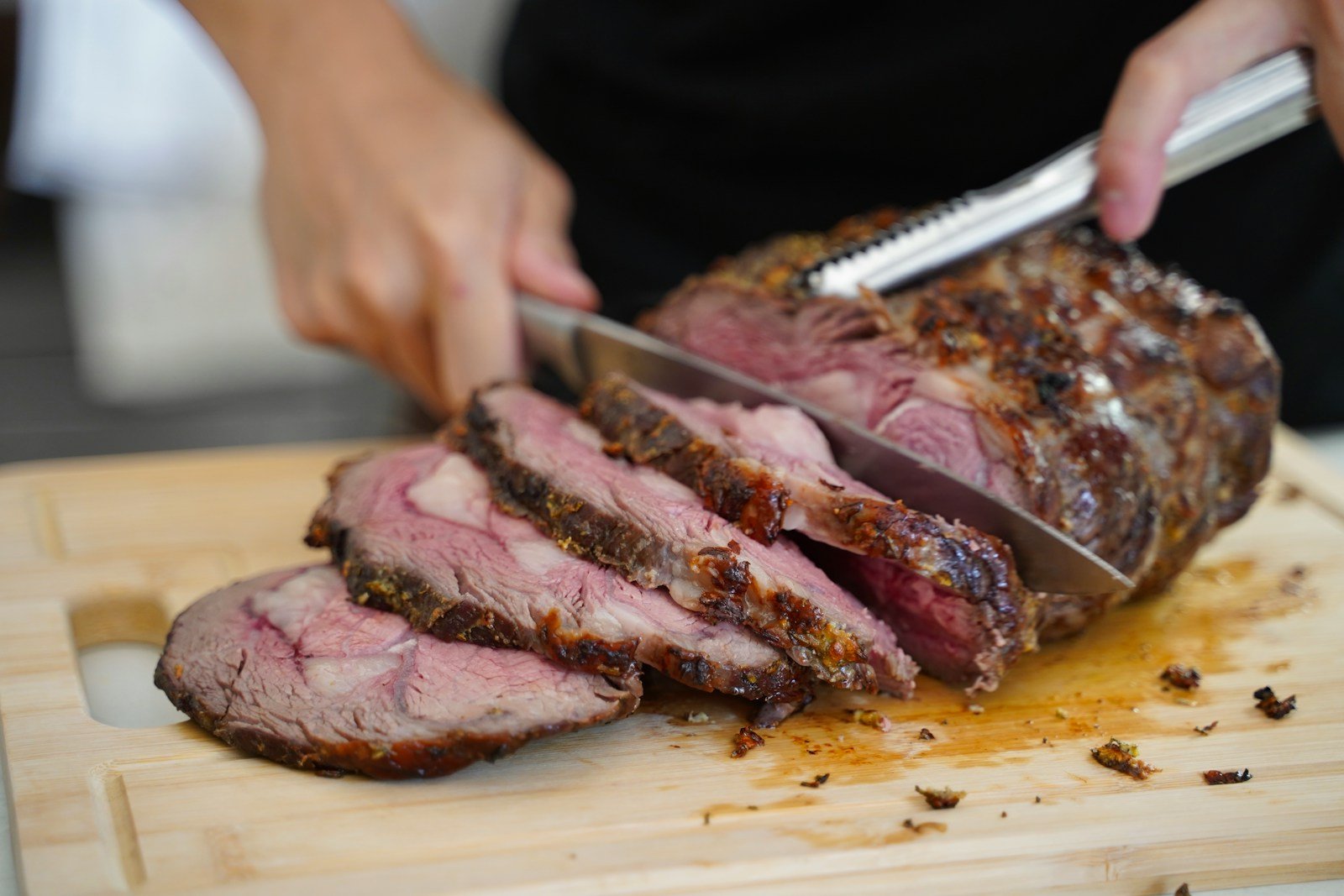
Mistakes That Make People Think Oven Brisket Doesn’t Work
Most bad oven brisket experiences trace back to the same few errors. Cooking by the clock instead of by temperature is the biggest one, since every brisket cooks at a slightly different rate depending on size and shape. Skipping the rest at the end is another, since slicing too early lets all the moisture run out onto the cutting board instead of staying in the meat. Not trimming the fat cap leaves a layer of unrendered fat that never breaks down properly. And opening the oven door constantly to check on it lets heat escape and stretches out an already long cook for no good reason.
Common Questions
Is oven brisket really as good as smoked brisket?
It’s genuinely close in tenderness and juiciness, and for a lot of home cooks it’s actually more consistent, since there’s no fire to manage. The one thing it can’t fully replicate is that deep smoky flavor and true smoke ring, which only come from real wood smoke.
What internal temperature is the minimum for brisket to be safe to eat?
Brisket is safe well before it’s actually tender, typically somewhere in the mid 100s depending on how long it’s held at that temperature. The reason we cook it all the way to 203 to 205 degrees isn’t food safety, it’s texture. That extra time is what breaks down the connective tissue.
Can I cook brisket in a slow cooker instead of the oven?
You can, and it will get tender, but you won’t get any real bark or crust since a slow cooker traps moisture instead of letting the surface dry out and darken. The oven method gives you both the texture and a real crust.
Skip the ten hour project entirely and let us handle the slow cook. Our prime rib is roasted low and slow the same way, and it’s ready whenever you walk through the door. Reserve a table at Steak 38.