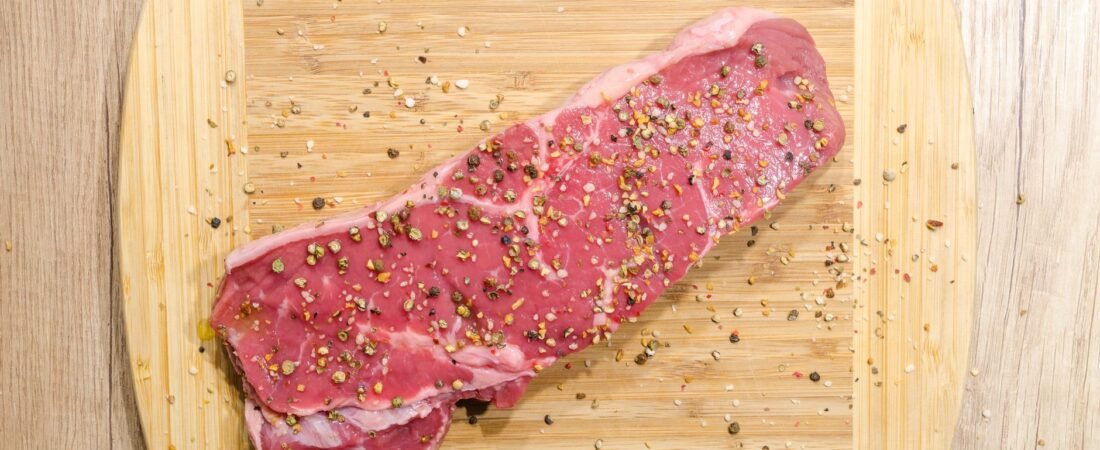
Bavette has been showing up on more menus over the last several years, usually tucked in next to hanger steak and skirt steak under a “bistro cuts” heading. It’s not new. French cooks have been working with it for generations. It’s just new to a lot of American diners, and once you understand what it actually is, it’s easy to see why chefs keep reaching for it.
What Is Bavette Steak?
Bavette is French for bib, which describes the loose, flat shape of the cut. In American butchery, the closest match is what’s usually labeled sirloin flap steak, sometimes just called flap meat. It’s a long, relatively thin cut with a coarse, open grain, similar in shape to flank steak but from a different part of the animal entirely.
Where It Comes From
Bavette is cut from the bottom sirloin, the section just behind the flank and below the top sirloin. It’s a well used muscle, which gives it a deep, beefy flavor, but it’s not one of the toughest cuts on the animal either. That combination, real flavor with a manageable texture, is exactly why it’s earned a following among cooks who know how to handle it.
Why Chefs Love It
Bavette is intensely beefy, more so than a lot of pricier cuts, and it takes marinades and high heat cooking exceptionally well. It’s also more marbled than flank steak despite the similar shape, which makes it a little more forgiving on the grill. On top of that, it’s usually priced well below ribeye or filet, which makes it an easy cut for chefs to feature without pushing menu prices up. In French bistros, it’s classically served as bavette a l’echalote, seared hard and topped with a shallot and red wine pan sauce, a preparation that’s been standard for decades.
Bavette vs Flank vs Skirt
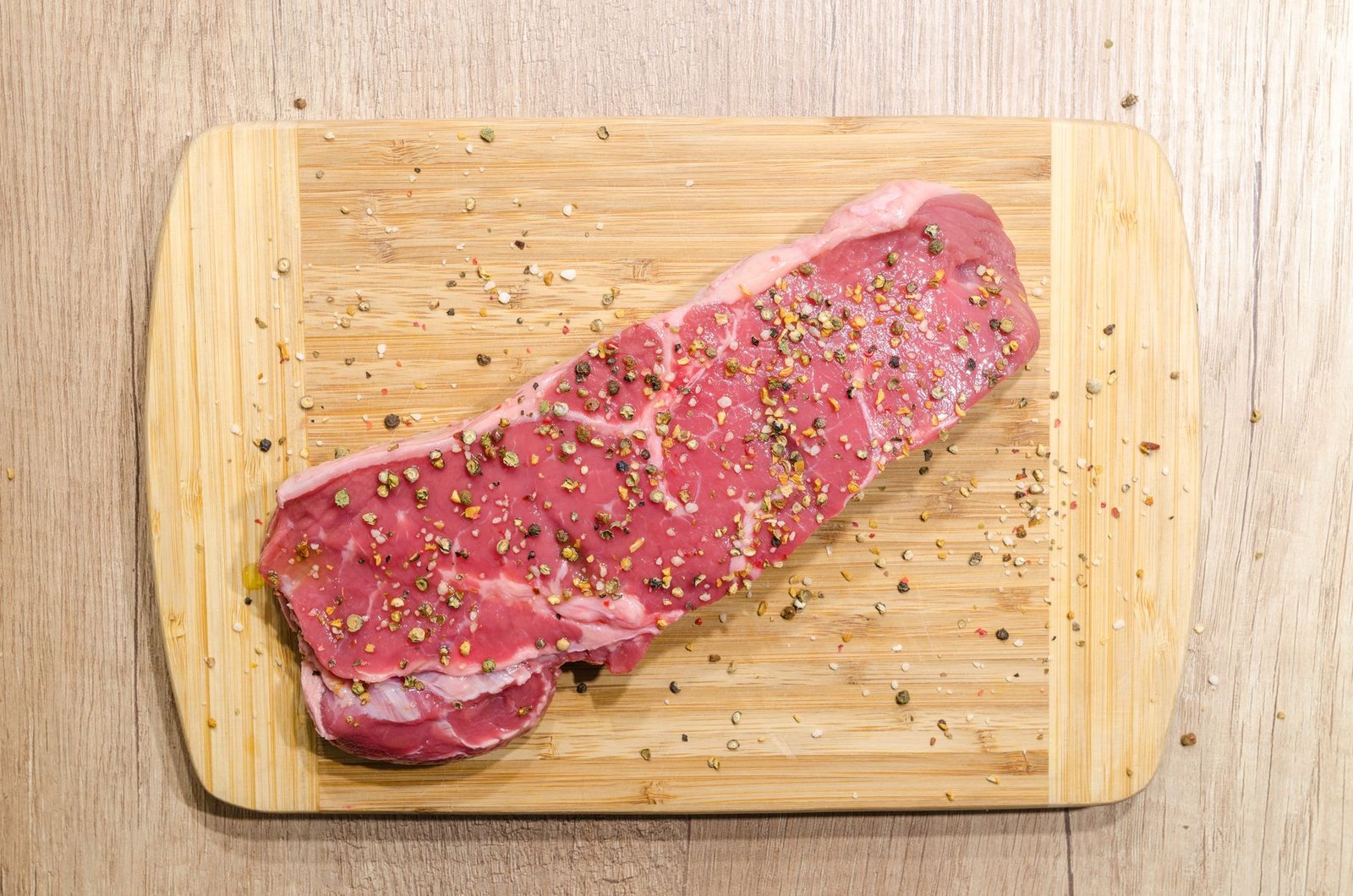
These three cuts get confused constantly because they’re all long, flat, coarse grained cuts that get cooked the same basic way. Flank steak comes from the abdominal muscles and is leaner and slightly tougher than bavette. Skirt steak comes from the diaphragm, is thinner than both, and has the most pronounced beefy flavor of the three, along with the loosest grain. Bavette sits in the middle: more marbled than flank, wider than skirt, and arguably the most tender of the three when cooked and sliced correctly.
How to Cook Bavette
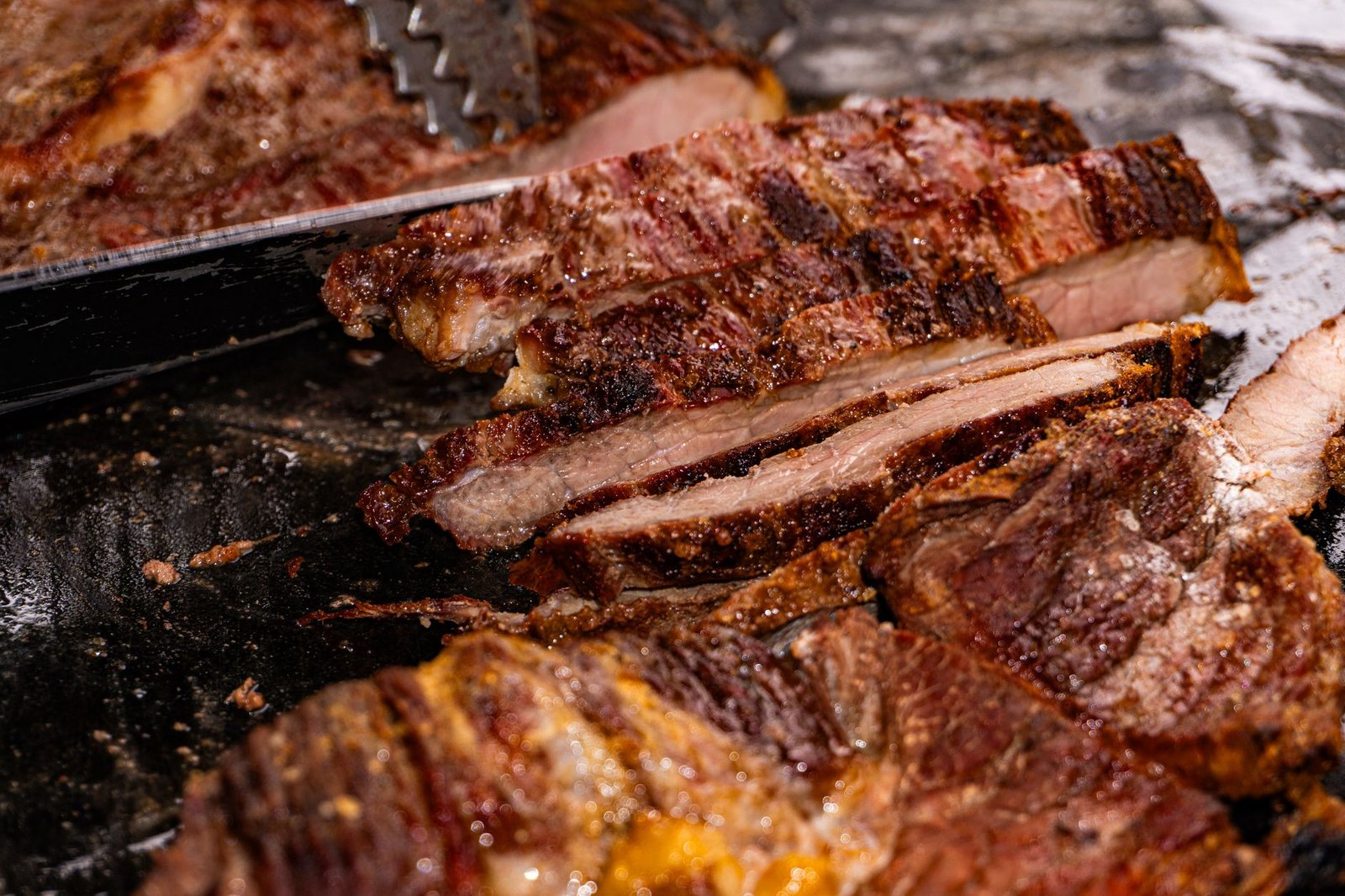
Treat it like flank or skirt steak. High heat, quick cook, and don’t walk away from it. Sear it hot in a cast iron pan or over a hot grill for three to four minutes per side depending on thickness, pulling it at 130 to 135 degrees for medium rare. Bavette dries out and toughens fast past medium, so don’t push it further than you have to. Let it rest for five minutes, then slice thin against the grain. Because the grain runs diagonally and can shift direction across the cut, take a moment to look at the direction of the muscle fibers before you start slicing.
How to Order or Buy It
If your grocery store butcher counter doesn’t have anything labeled bavette, ask for sirloin flap steak or flap meat, which is the more common label in American markets. It’s worth asking specifically, since it’s sometimes ground into hamburger or cubed for stew meat before it ever reaches the display case, simply because it’s less recognized by name than more common cuts.
Marinade Ideas That Actually Work With Bavette
Because bavette has an open, coarse grain, it soaks up a marinade faster and deeper than a tighter grained cut like filet would. A simple mix of olive oil, garlic, red wine vinegar, and fresh herbs works well and only needs thirty minutes to an hour, not overnight. Soy sauce, garlic, and ginger make a good option if you want something with more depth. Avoid marinating longer than a few hours, since the acid can start breaking down the texture too much and leave you with a mushy exterior instead of a good sear.
Mistakes That Ruin Bavette
The most common mistake is cooking it too far past medium rare. Because it’s leaner than a ribeye and has less fat to fall back on, bavette dries out and turns chewy fast once it passes medium. The second most common mistake is slicing it the wrong direction. The grain in bavette can shift slightly across the cut, so take a second to actually look at the direction of the muscle fibers on each piece before you start cutting, rather than assuming it runs the same way the whole steak.
Common Questions
Is bavette the same thing as flank steak?
No, though they look similar and cook the same way. Bavette comes from the bottom sirloin, while flank comes from the abdominal muscles further back. Bavette tends to be more tender and more marbled.
Is bavette a tough cut of meat?
Not when it’s cooked correctly. Like flank and skirt, it needs to stay at medium rare or below and be sliced thin against the grain. Overcooked or sliced with the grain, it will chew tough no matter how good the cut was to begin with.
What’s the best way to season bavette?
A simple salt and pepper crust works well, but bavette also holds up to marinades better than more delicate cuts like filet, since the texture and flavor can stand up to acid and aromatics without getting lost.
If you’d rather skip the shopping and the guesswork, our NY sirloin delivers that same bold, beefy character bavette is known for, cooked over an open flame and ready when you sit down. Reserve your table at Steak 38.