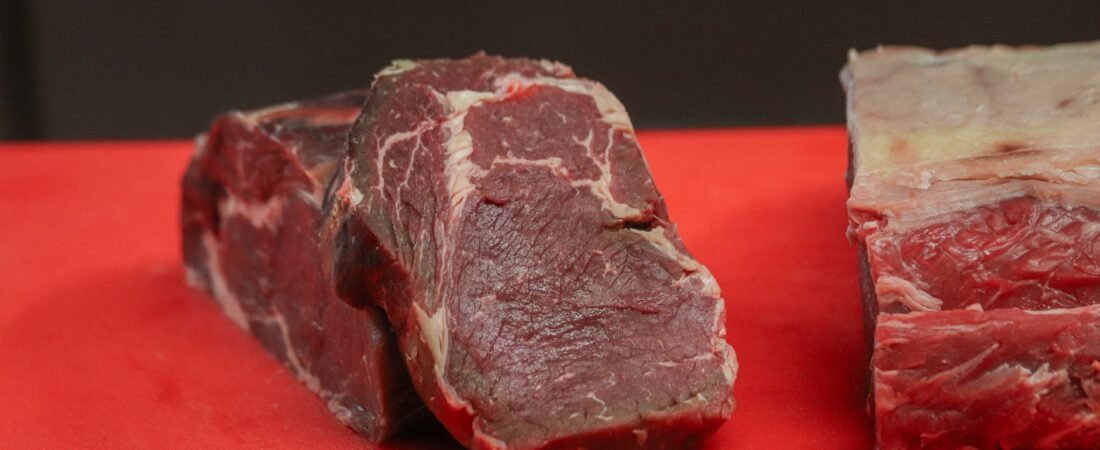
Chuck roast has picked up a nickname in barbecue circles: the poor man’s brisket. The idea is simple. Brisket has gotten expensive and hard to find in the sizes home cooks actually want, so people started asking whether a cheaper, smaller cut could get the same low and slow treatment and come out with similar results. The short answer is yes, with a few honest caveats worth knowing before you try it.
Why People Compare Chuck Roast to Brisket
Both cuts come from hardworking, collagen-heavy parts of the cow. Brisket comes from the breast, chuck comes from the shoulder, and both muscle groups get used constantly, which is exactly why they’re tough when cooked quickly and exactly why they respond so well to low, slow heat over many hours. That shared collagen structure is the whole reason chuck roast can take on brisket-style cooking and actually work.
The Honest Answer: Yes, With Caveats
Smoked or oven roasted low and slow, chuck roast genuinely delivers rich flavor and tender texture using the exact same technique as brisket. Where it differs is shape and size. Chuck roast is smaller, thicker, and more uniformly shaped than a flat brisket, so it won’t give you those long, clean brisket slices no matter how well it’s cooked. It’s better suited to being chopped, pulled, or cubed than sliced thin, which isn’t a flaw, just a different outcome than what you’d get from a whole packer brisket.
What You’ll Need
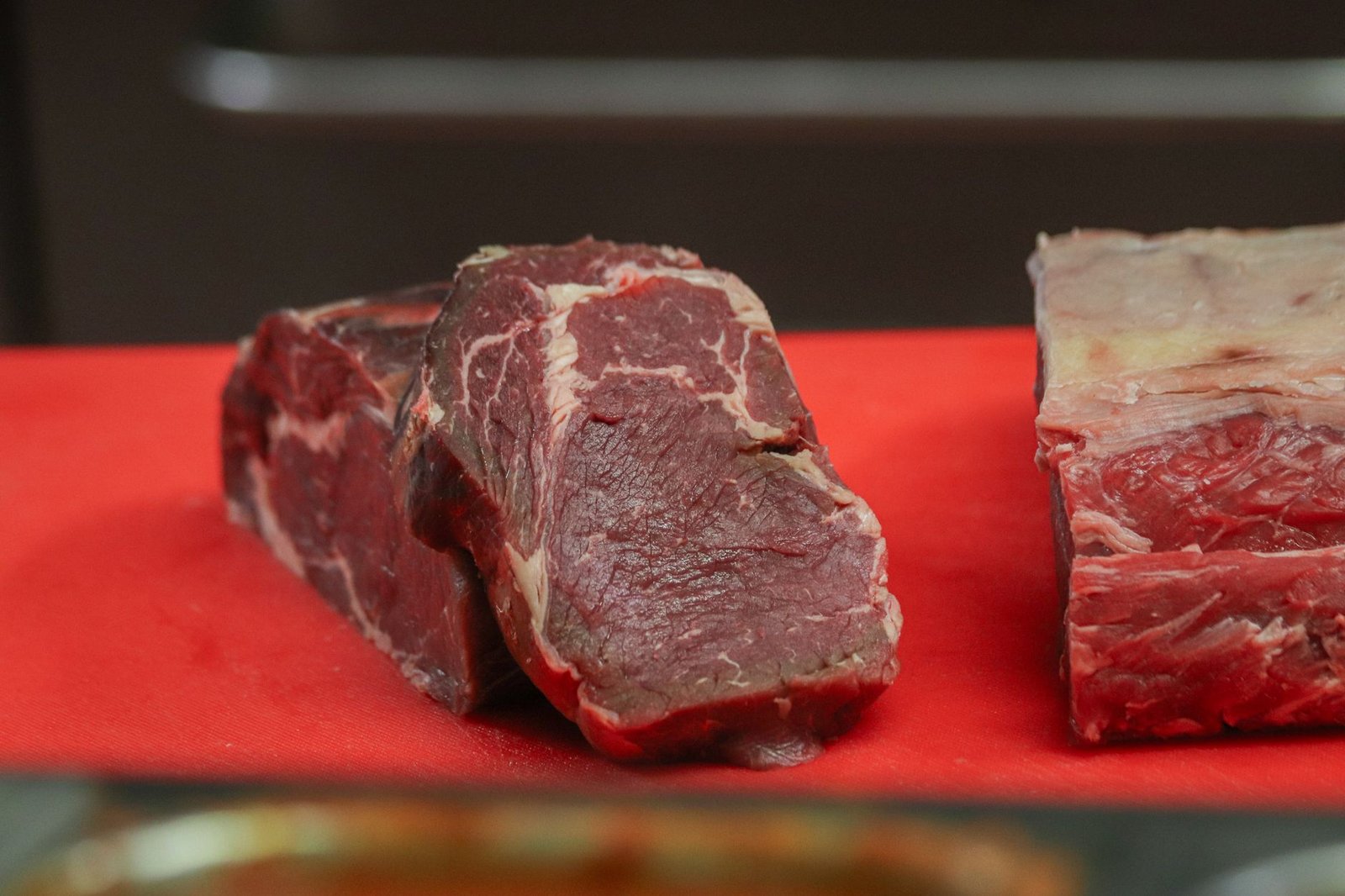
A three to four pound chuck roast, the same style of rub you’d use on brisket, equal parts coarse salt and coarse black pepper works well, and either a smoker or an oven, since both get you to the same result using the same underlying principle of low, sustained heat over time.
The Method
Season the chuck roast generously and let it rest uncovered in the fridge overnight if you have the time, the same dry brine approach used for brisket. Smoke or roast it at 250 to 275 degrees. Cook to an internal temperature of 203 to 205 degrees, the same target used for brisket, since that’s the range where collagen fully breaks down into gelatin regardless of which cut you’re working with. Wrap it in foil or butcher paper once it hits the stall, usually somewhere around 160 to 170 degrees internal, then continue cooking until it reaches that final target. Rest it for at least thirty minutes before cutting into it.
How Chuck Roast Differs From Brisket in the Cook
The smaller size means a noticeably shorter cook, typically five to seven hours compared to the ten or more hours a full brisket needs. Chuck roast also has more uniform marbling running throughout the whole piece, rather than brisket’s split personality of a leaner flat section and a fattier point section. That even marbling actually works in chuck roast’s favor, making it somewhat more forgiving and less prone to drying out than the leaner parts of a brisket.
Should You Slice It or Chop It?
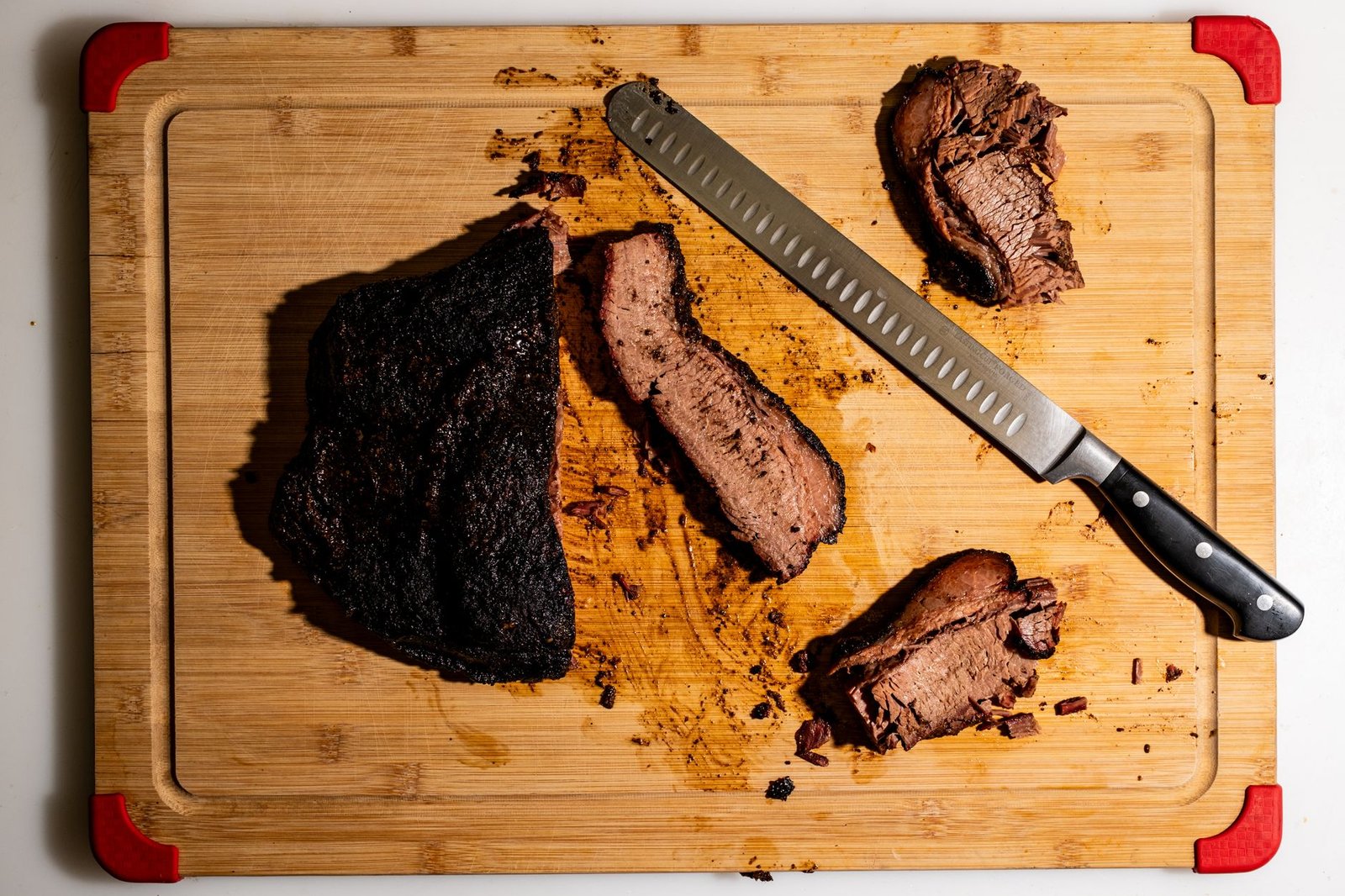
Because the grain in a chuck roast runs in multiple directions rather than in one consistent line like a brisket flat, clean slicing is difficult no matter how well it’s cooked. Chopping or pulling it into rough chunks works much better. A popular approach is cubing the cooked chuck roast, tossing it with a bit of barbecue sauce, and returning it to the smoker or oven briefly to firm up the edges, essentially turning it into what’s commonly called poor man’s burnt ends.
Is It a Real Substitute for Brisket?
As a budget-friendly way to practice the low and slow technique and get genuinely good barbecue flavor, absolutely. If what you specifically want is brisket’s long, clean slices and that distinct flat-versus-point texture contrast, chuck roast won’t replicate that exactly. Think of it less as a brisket substitute and more as its own excellent result using the same method.
Choosing the Right Chuck Roast
Look for a chuck roast with visible marbling running through the whole piece, not just a thin layer of fat on the surface. A first cut or top blade chuck roast tends to hold together a little better through a long cook than some of the other sections of the shoulder. Avoid anything with a thin, uneven shape, since it will cook unevenly the same way an oddly shaped brisket does, finishing dry in the thinner sections before the thicker parts are anywhere near ready.
Storing and Reheating Leftovers
Cooked chuck roast holds up well in the fridge for three to four days stored in an airtight container, ideally with a bit of the cooking juices to keep it moist. Reheat it gently, either in a low oven or on the stovetop with a splash of stock or water, rather than blasting it in the microwave, which can dry out already tender meat fast. It also freezes well for up to three months, making it a reasonable cut to cook in bulk.
Common Questions
Can I smoke a chuck roast without an actual smoker?
Yes. The oven works well using the same low, slow approach. See our full guide on cooking brisket in the oven for the detailed method, which applies almost identically to chuck roast.
What exactly is a poor man’s burnt end?
It’s cubed, cooked chuck roast tossed in barbecue sauce and put back on the heat briefly to caramelize the edges, made to mimic the texture and flavor of traditional brisket point burnt ends at a fraction of the cost.
How long does a three pound chuck roast take to smoke?
At 250 to 275 degrees, expect somewhere around five to six hours total, including the time spent wrapped through the stall. Always confirm with a thermometer rather than relying on the clock alone.
Skip the six hour cook and let us handle the slow roasting. Our prime rib is cooked low and slow the same way, ready whenever you are. Reserve your table at Steak 38.