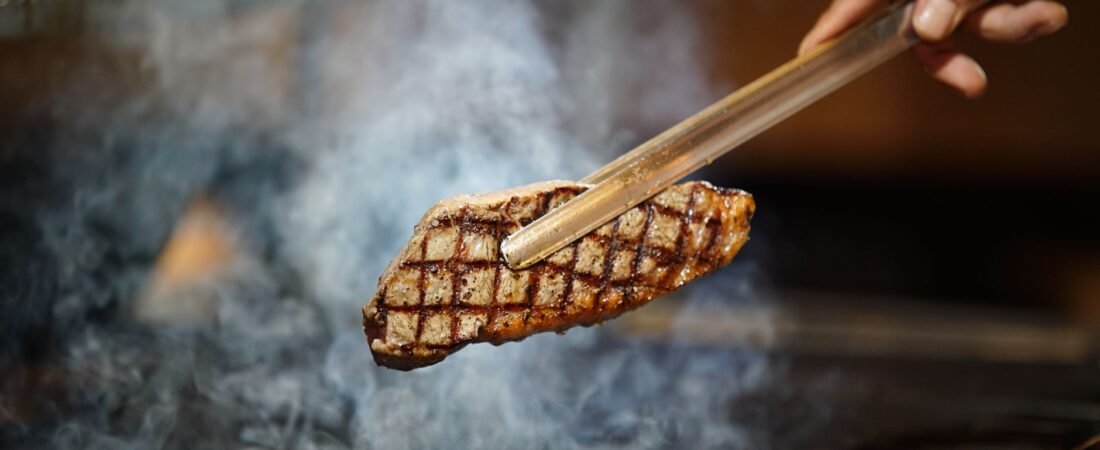
Medium rare is the most ordered steak temperature in almost every steakhouse in the country, and for good reason. It’s the point where the fat has started to render, the texture is still tender, and the flavor is at its peak without tipping into dry territory. Hitting it consistently comes down to one number, and knowing exactly when to walk away from the heat.
The Exact Number: 130 to 135 Degrees
Medium rare means a final internal temperature between 130 and 135 degrees. At this range, the center is warm and red with a slightly pink edge, and the steak still has a noticeable give when pressed. This is your target after resting, not the number you pull the steak at.
Pull It Five Degrees Early Because of Carryover
A steak keeps climbing in temperature for several minutes after it leaves the heat, purely from residual warmth still moving toward the center. That means you need to pull the steak before it actually reaches 130 to 135 degrees. As a general rule, pull at 125 to 130 and let carryover finish the job while it rests. Thin steaks under an inch thick carry over less, usually only two to three degrees, so you can pull closer to your actual target. Thick steaks over an inch and a half carry over more, sometimes five to seven degrees, so pull earlier than you’d expect.
How the Cooking Method Changes Your Pull Point
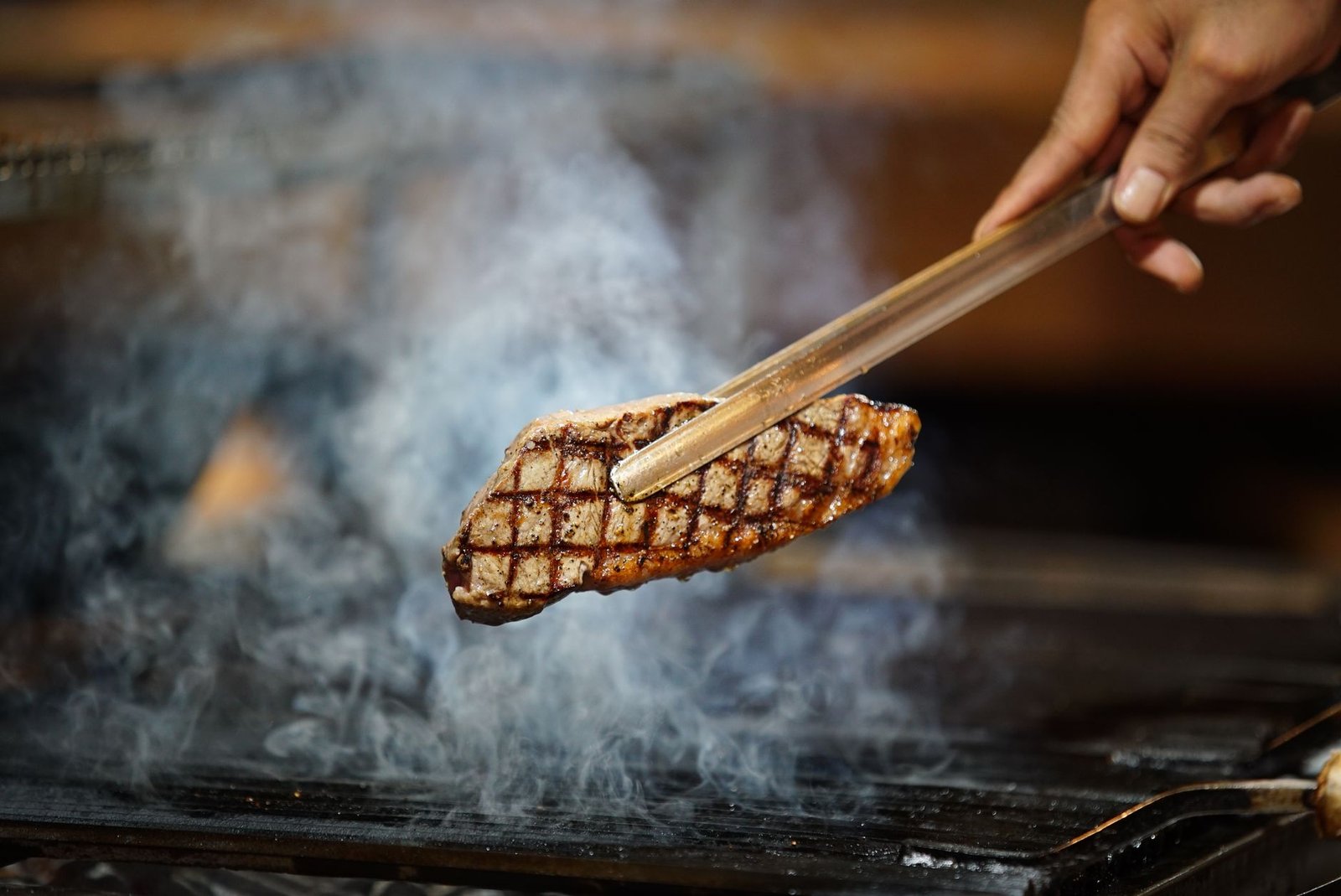
A pan sear in cast iron holds heat aggressively even after the steak comes out, so pull around 128 to 130 degrees. A grill loses heat faster once the steak is off the grate, so you can push slightly closer to your target before pulling, around 128 to 132. Reverse searing, where the steak spends time in a low oven before a short, hard sear at the end, behaves differently. Since the interior is already close to temperature before the final sear, there’s less carryover to plan for, so you can pull almost right at your actual target, around 130 to 133. Sous vide is its own category entirely. The steak is already sitting at the exact target temperature throughout, so the final sear is purely for crust and barely changes the internal number at all.
What Happens If You Miss It
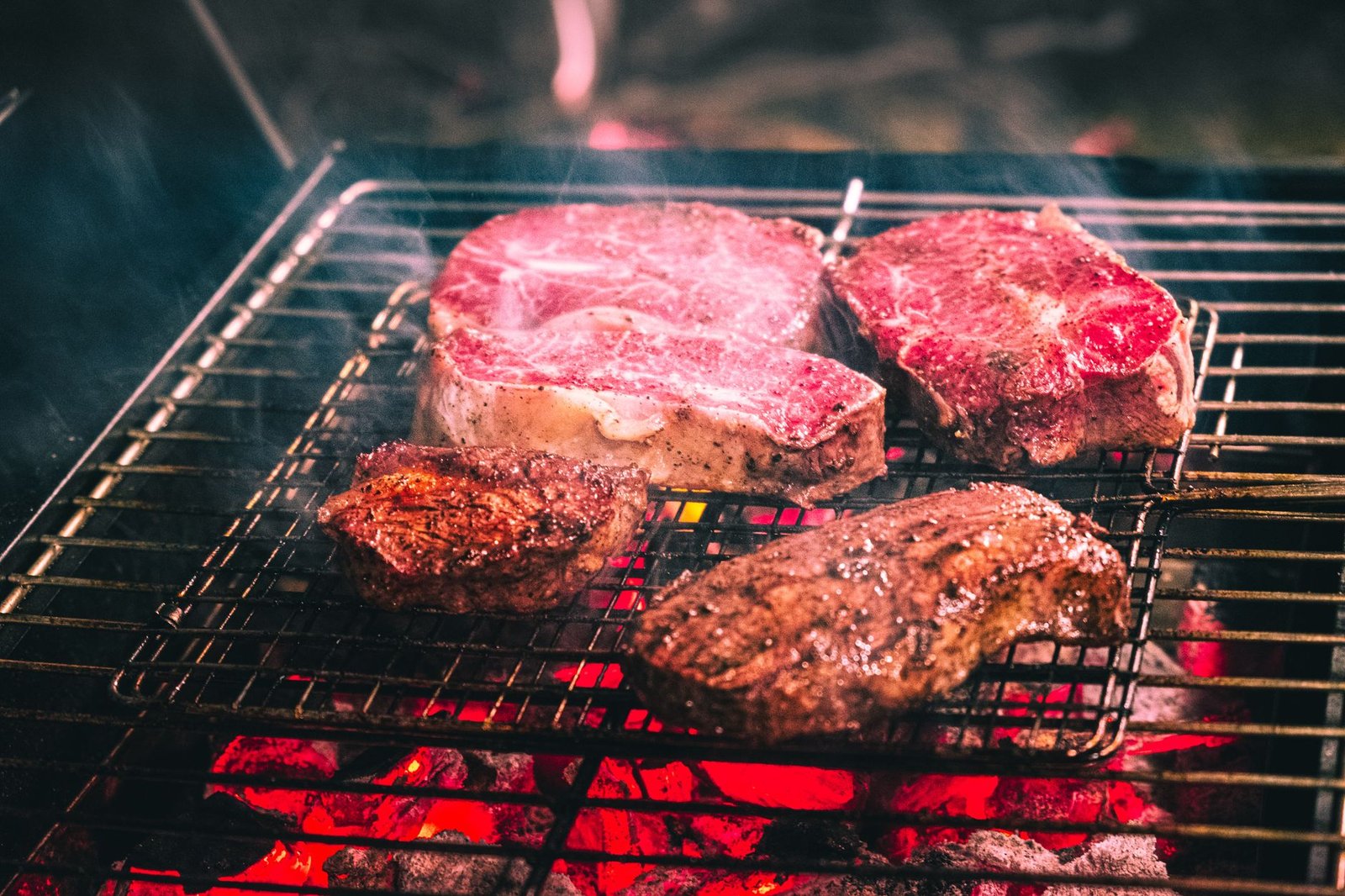
Most missed medium rares land on the well side, not the rare side, usually because the steak sat on the heat a little too long while you were double checking or got distracted. Once you overshoot into medium or further, there’s no way to walk it back. The fix is prevention: check the temperature earlier than you think you need to, and don’t rely on repeated probing late in the cook, since poking the steak too many times lets juice escape through the holes.
Why Medium Rare Became the Default Order
It’s not an accident that medium rare shows up as the most ordered temperature almost everywhere. It sits right at the point where enough fat has rendered to add richness without the meat losing its structure, and the muscle fibers haven’t tightened up enough yet to squeeze out moisture the way they do by medium well and beyond. Rare is still a little cool and firm for a lot of people’s taste, and anything past medium starts working against the marbling instead of with it. Medium rare is close to the sweet spot for texture and juiciness across most cuts, which is exactly why it became the default.
A Simple Rule of Thumb If You Don’t Have a Thermometer
Press the pad of your thumb to your ring finger and feel the base of your palm below the thumb. That’s roughly the give of a medium rare steak. It’s not as reliable as a thermometer and takes practice to calibrate to your own hand, but it’s a reasonable backup. As a rough time estimate, a one inch steak over high heat runs about four minutes per side to land near medium rare, though this varies enough by pan, grill, and steak that it should only be a starting point, not a rule you follow blindly.
Common Questions
Is medium rare steak actually safe to eat?
Yes. Whole muscle cuts like steak are safe well below well done temperatures because any bacteria present is almost entirely on the surface, and searing takes care of that. This is different from ground beef, where bacteria can be mixed throughout the meat and needs a higher internal temperature to be safe.
Why do steakhouses serve steak pinker than most people cook at home?
Steakhouses cook to internal temperature with a thermometer or years of practiced feel, and they trust the process. A lot of home cooks unconsciously push steak further than medium rare out of caution, even when they ask for it pink, simply because it’s easy to second guess a steak that still looks red in the middle.
Does resting change my pull temperature?
Resting doesn’t change the number you pull at, but it’s what allows carryover cooking to happen properly and lets the juices redistribute evenly. Skipping the rest after pulling early gives you a steak that’s technically at the right final temperature but still loses more juice when you cut into it.
Skip the thermometer and the guesswork. Reserve a table at Steak 38 and order your steak exactly the way you like it, cooked over an open flame by people who do this every night.