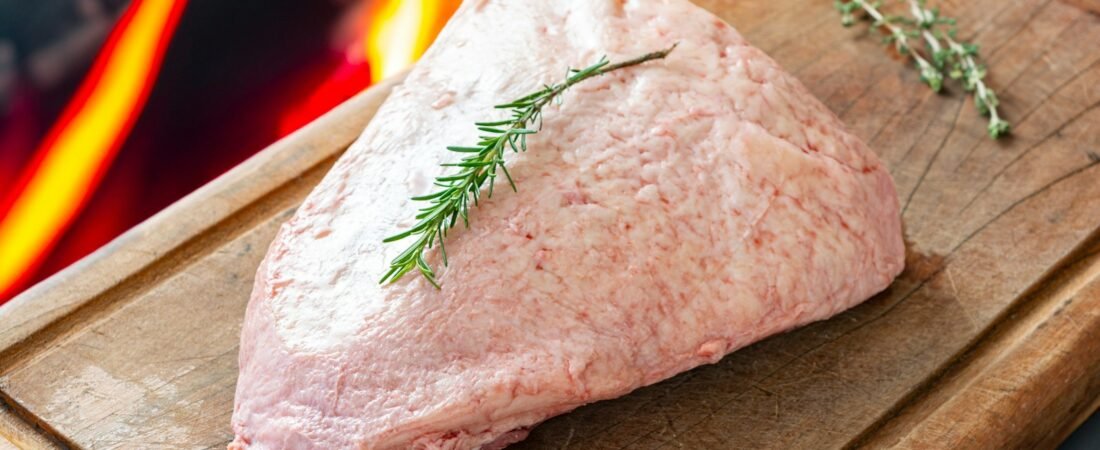
If you’ve spent any time at a Brazilian steakhouse, picanha is probably the cut you remember most, even if you didn’t catch the name at the time. It’s the one served on a skewer, sliced thin tableside, with a thick cap of fat still attached to the edge. In traditional American butchery, this cut barely got any attention for decades. That’s changed fast, and once you understand what picanha actually is, it’s easy to see why.
What Exactly Is Picanha?
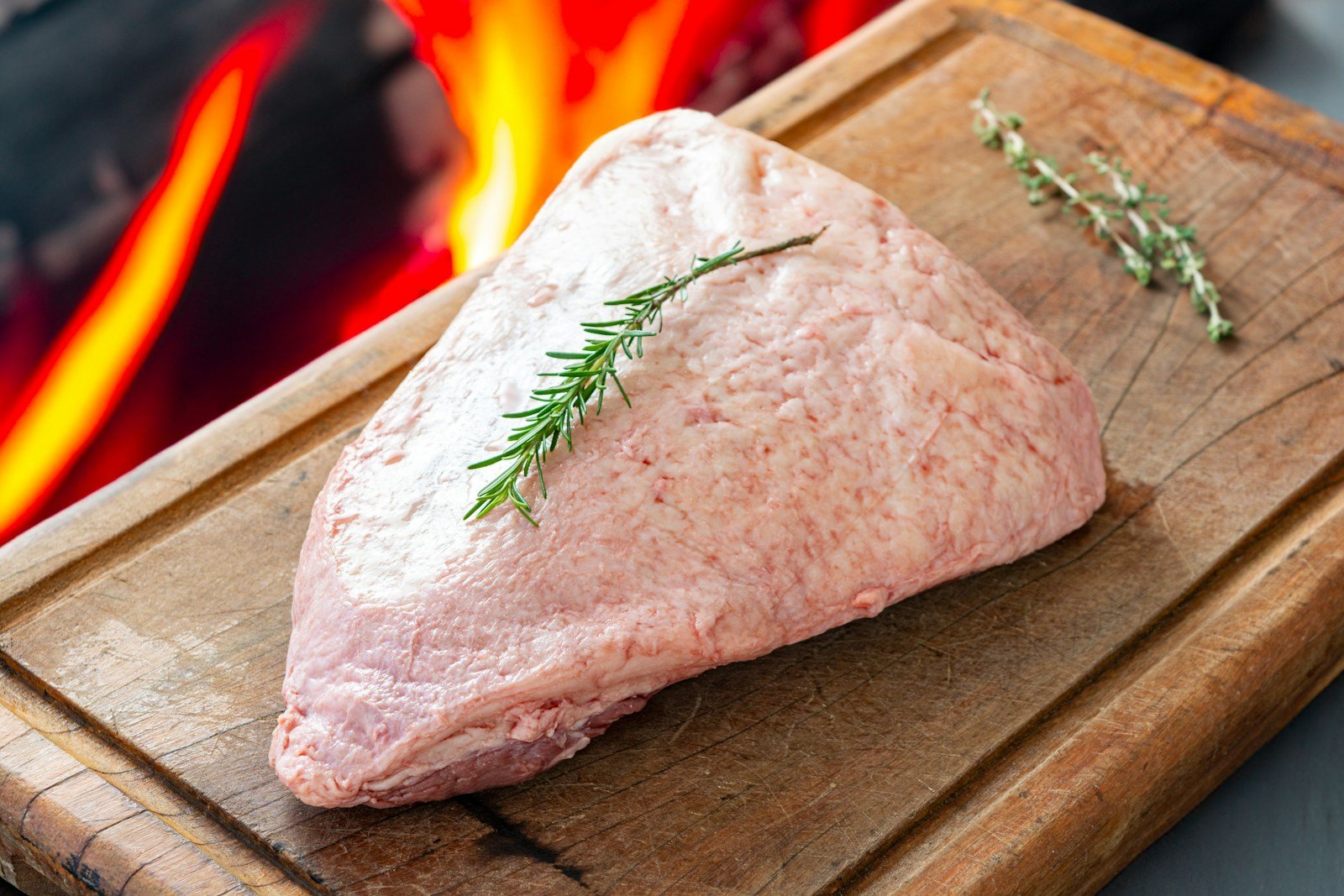
Picanha is the top cap of the rump, cut from the back end of the cow above the round. In American butcher terms, the closest match is the sirloin cap, sometimes labeled culotte steak. It’s a triangular, fairly loose grained piece of meat, and what sets it apart immediately is the thick layer of fat left intact on one side, usually around half an inch or more. Most American cuts get trimmed clean of exterior fat. Picanha is prepared with the assumption that the fat stays on, because it’s doing real work during the cook.
Where It Comes From on the Cow
Picanha sits at the top of the rump primal, right where the sirloin meets the round. For a long time in the United States, this general area got broken down into rump roasts or ground beef, since American butchery traditions didn’t isolate it as its own steak the way Brazilian butchers do. Tri-tip, another rump area cut that took decades to become popular in most of the country, had a similar story. Picanha is essentially the same idea: a well regarded cut elsewhere in the world that American steakhouses are only now catching up on.
What Makes Picanha Different From Other Steaks
Ribeye and New York strip get their richness from marbling, the fat woven through the muscle itself. Picanha works differently. The meat itself is only lightly marbled, but that thick fat cap sits on top and renders down during cooking, basting the meat and adding flavor from the outside in rather than the inside out. The grain is also looser and a bit coarser than a strip steak, which is part of why it’s traditionally sliced thin against the grain rather than served as a single thick cut like a filet.
The Traditional Brazilian Way to Cook It
Classic churrasco style picanha starts by cutting the whole cap into thick, curved steaks with the grain, usually two to three inches thick, then bending each piece into a C shape and skewering it fat-side out through the curve. It’s seasoned with nothing more than coarse rock salt, no marinades or rubs, since the fat cap and the beef flavor are doing all the work. It’s grilled over high heat with the fat side facing the fire first, letting the fat render and crisp before the meat side gets its turn. Once it’s off the fire, it’s sliced thin against the grain and served immediately, often carved tableside straight off the skewer.
Can You Cook Picanha at Home Without a Churrasco Grill?
You don’t need a rotisserie or skewers to get a good result. A cast iron skillet or a regular grill both work well. Score the fat cap in a light crosshatch pattern before cooking so it renders more evenly, then start the steak fat-side down over medium high heat and let that fat render and crisp for several minutes before searing the meat side. A short rest in a low oven or on indirect heat afterward, then a final hard sear, gets you close to the same result as a churrasco grill without any special equipment.
How to Cook It the Right Way
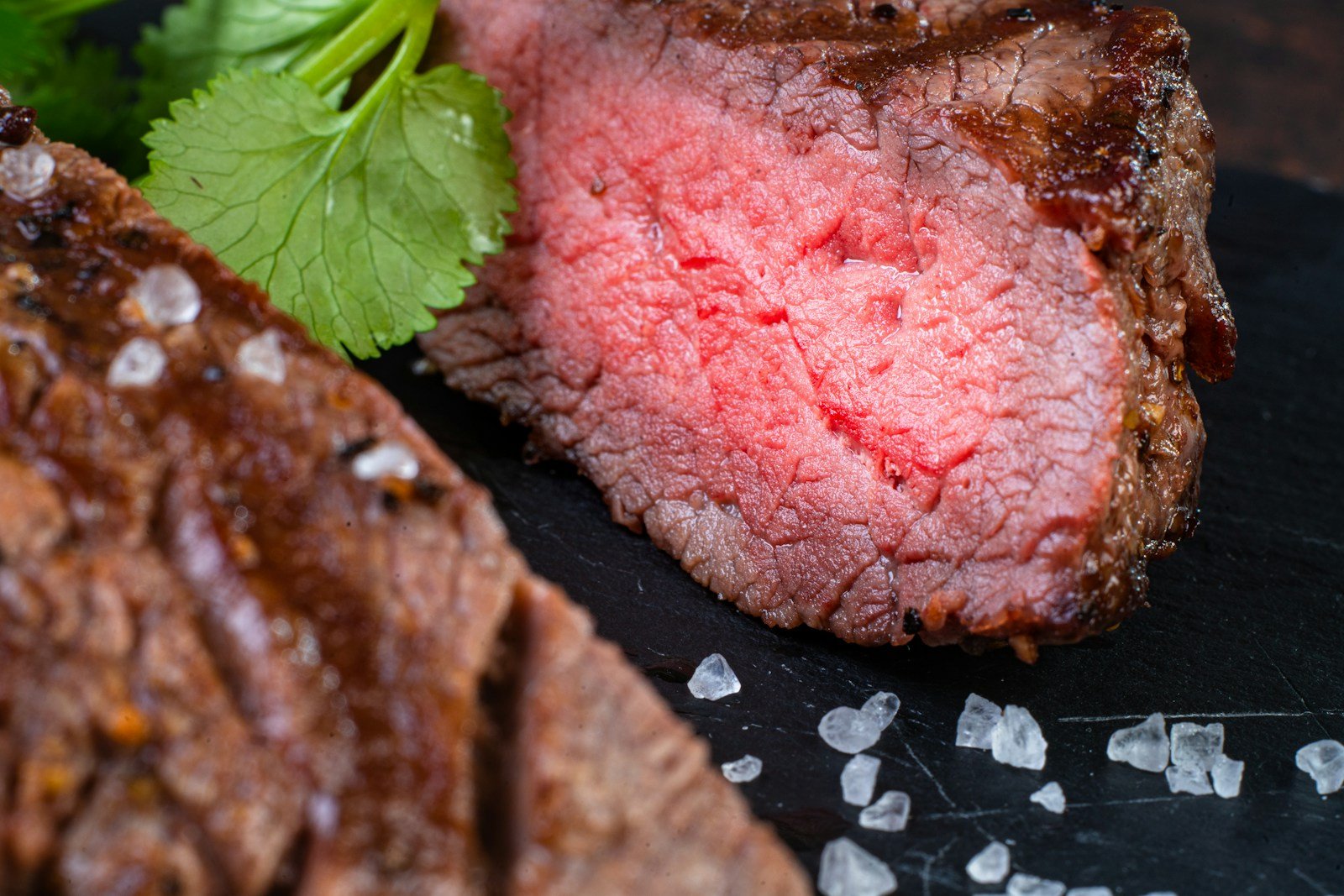
Picanha handles medium rare to medium better than most steaks, thanks to that fat cap protecting the meat as it cooks, similar to how a ribeye is more forgiving than a lean strip steak. Aim for an internal temperature of about 130 to 140 degrees. Once it’s rested, always slice it thin and against the grain. Because the grain runs a bit looser than in something like a filet, slicing correctly matters even more here. Cut with the grain instead of against it, and even a perfectly cooked piece will chew tough.
Picanha Compared to Ribeye and Sirloin
Ribeye is the richer, more heavily marbled option, with fat distributed throughout the meat rather than concentrated on one side. Picanha is leaner in the muscle itself but gets its richness from that external fat cap instead, which gives it a different kind of flavor, more concentrated beefiness with a crisp, savory edge where the fat meets the fire. Compared to a standard sirloin, picanha is more tender and has a more distinct texture, largely because sirloin usually gets trimmed of the fat cap that makes picanha what it is in the first place. If you like a ribeye for its richness but want something with a more direct, beef-forward flavor, picanha sits in an interesting middle ground.
Common Questions
Is picanha the same thing as sirloin cap?
Essentially, yes. Picanha is the Brazilian name for what American butchers typically call the sirloin cap or culotte steak. It’s the same cut, just prepared and portioned differently depending on the tradition.
Is picanha a tough cut of meat?
Not when it’s cooked and sliced correctly. It’s a working muscle with a looser grain than something like filet mignon, but slicing thin against the grain after a medium rare to medium cook keeps it tender. Cooked well done or sliced the wrong way, it can turn chewy fast.
Where can I try picanha?
It’s become more common at Brazilian steakhouses and churrascarias, and a growing number of butchers now carry it labeled as sirloin cap or culotte. It’s not currently on our menu at Steak 38, but if that big, beefy richness is what you’re after, our ribeye and dry aged NY sirloin deliver a lot of that same character.
Curious to compare cuts in person? Reserve a table and ask your server which steak on our menu comes closest to what you’re craving.